
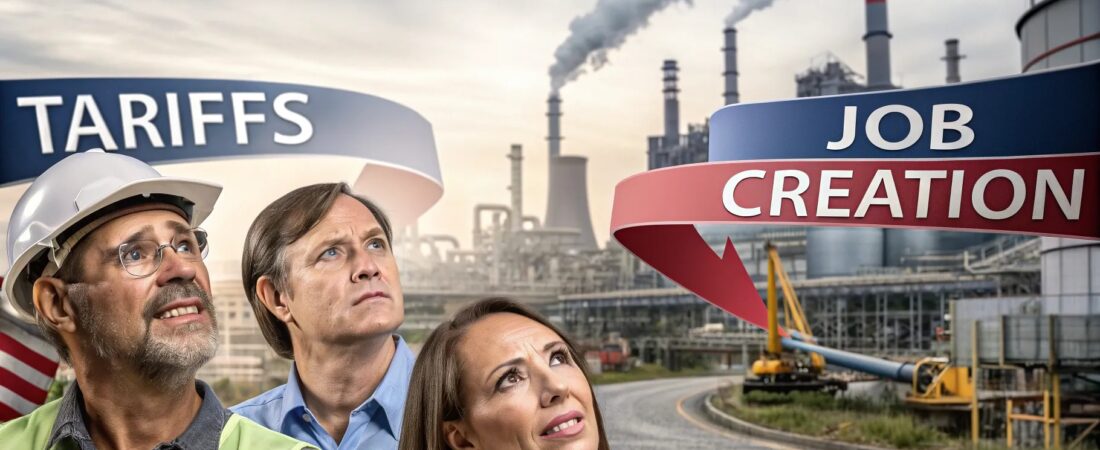
In a landscape swirling with patriotic slogans and promises of job returns, the reality behind Trump’s tariffs reveals a different story—one where the wealthy thrive while working-class Americans bear the burden. Join me as we dissect how these policies are reshaping the industrial landscape and creating unexpected opportunities for savvy investors.
In the whirlwind of economic discourse, tariffs have emerged as a potent symbol, a rallying cry for many. But beneath the surface of political rhetoric lies a complex tapestry woven with threads of opportunity and risk. As we navigate this landscape, it’s crucial to peel back the layers and uncover the reality that many overlook. This isn’t just about bringing jobs back to America; it’s about the shifting dynamics of production, automation, and the subtle dance of global trade.
The Thing Most People Miss
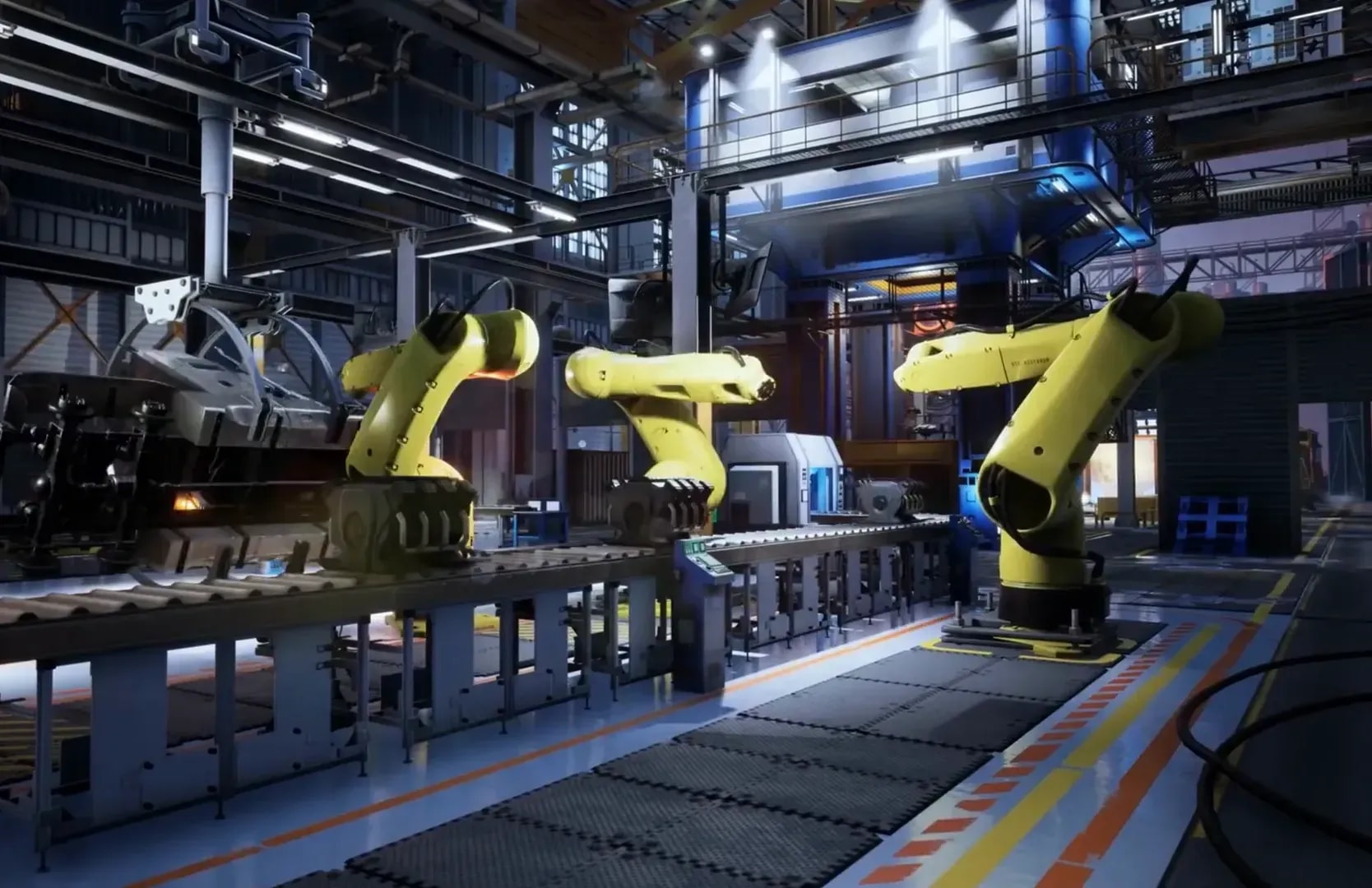
When the dust settles, one critical truth stands out: the narrative surrounding job creation is often a mirage. The loud proclamations about revitalizing American manufacturing have a way of drowning out the nuances. What most people miss is that the factories sprouting in America today are not the bustling hubs of labor they once were. Instead, they are sleek, automated environments where machines do the heavy lifting.
Here’s The Truth That Most People Miss
Many believe that the return of manufacturing jobs equates to a resurgence of the American worker. However, this is a simplistic view that fails to account for the technological revolution underway. The truth is, the factories being built are not designed to employ thousands but rather to maximize efficiency. With automation at the helm, the workforce is shrinking, and the focus is shifting from labor to technology.
The Illusion of Job Creation
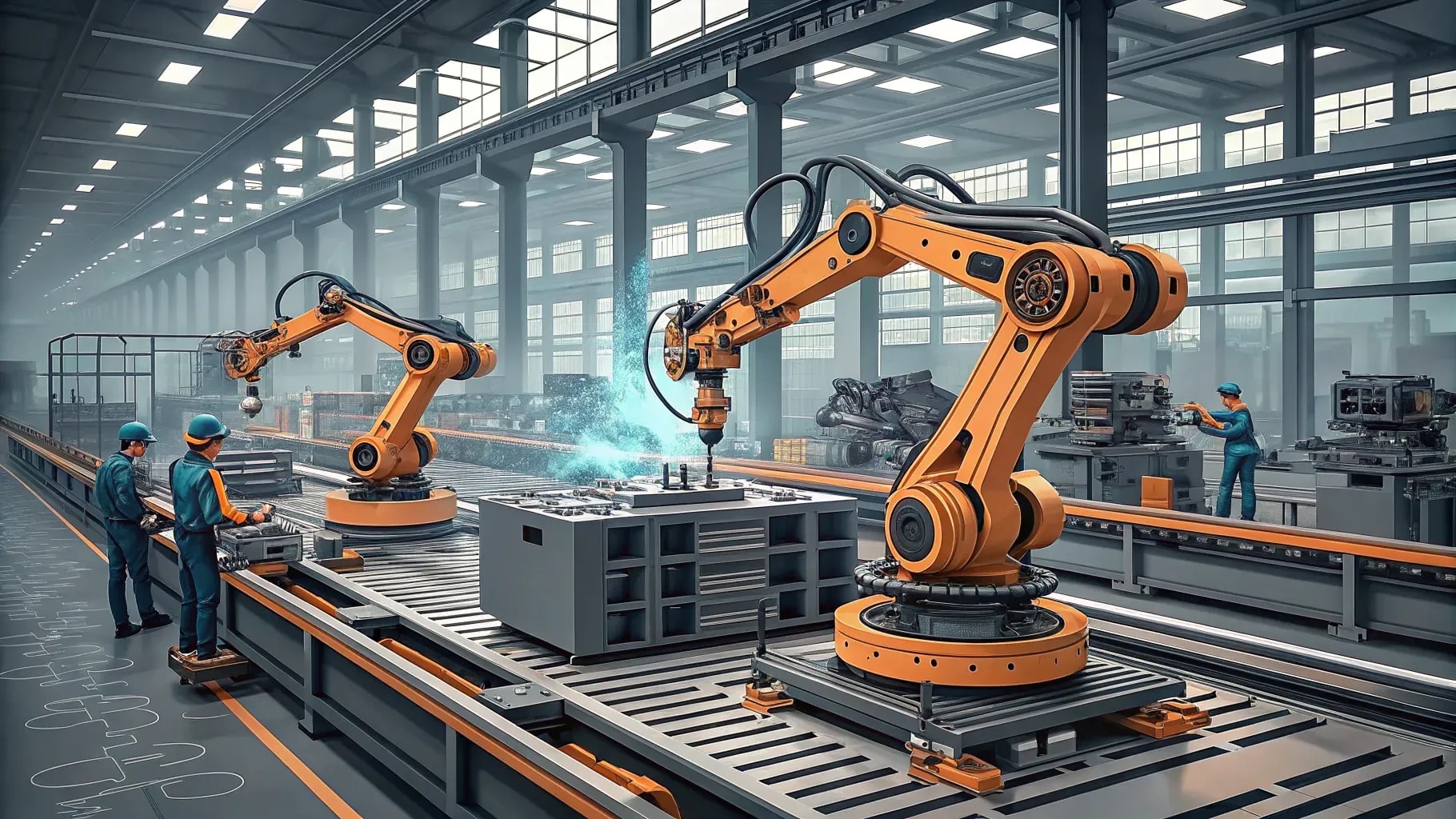
As we dive deeper, the illusion of job creation becomes more apparent. The factories that promise to bring jobs back often do so under the guise of automation. They are designed to operate with minimal human intervention, relying heavily on artificial intelligence and robotics. This dynamic creates a façade of growth, masking the reality that many are left out of the equation.
The Rise of Automation
The rise of automation is not merely a trend; it’s a seismic shift in how industries operate. Companies are investing heavily in technology that allows them to produce goods faster and at a fraction of the cost. This shift is not just about efficiency; it’s about survival in a competitive global market. As foreign companies set up shop in the U.S., they are leveraging automation to outpace traditional manufacturers, leaving them scrambling to adapt.

Understanding Tariffs as Leverage
Let’s talk about tariffs. They are not just punitive measures; they are strategic tools in the grand chess game of global trade. Trump’s tariffs serve as leverage, a way to negotiate terms that can benefit American interests. By imposing tariffs, the intent is to compel foreign companies to establish a presence in the U.S., but the end result often diverges from the original intention.

The Consumer’s Perspective
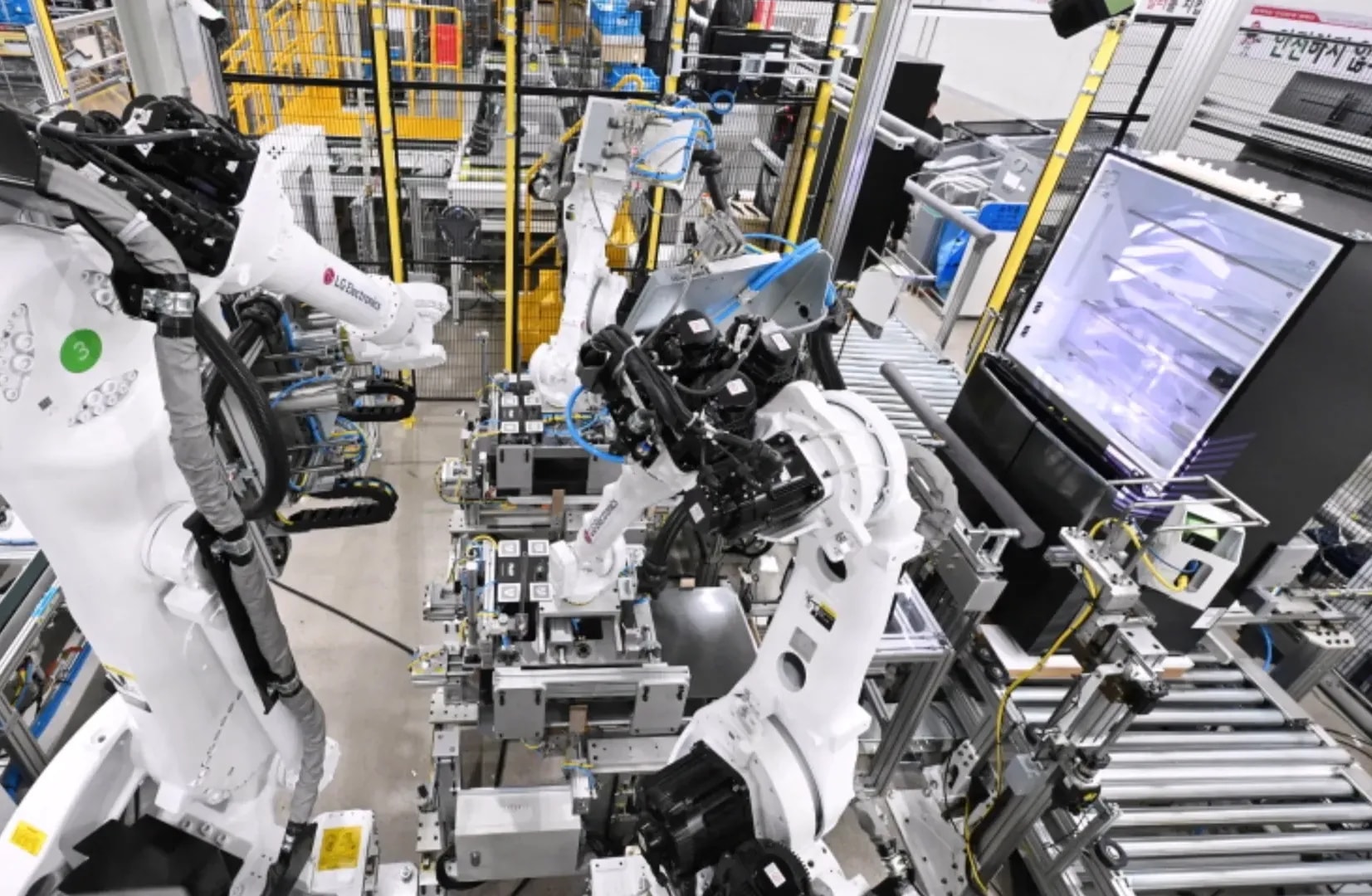
From the consumer’s viewpoint, the narrative spins a tale of choice and savings. The average shopper stands in a store, lured by the shiny features of products from foreign companies, often unaware of the underlying implications. Take the refrigerator example: the LG model, with its built-in cameras and smart technology, is undeniably appealing. But the question remains—what is the true cost of that allure?
Consumers are often drawn in by lower prices, believing they are making economically sound decisions. However, these savings come at a price far beyond the sticker. As foreign companies like LG leverage automation and advanced robotics, they create a scenario where American brands struggle to compete. This shift trains consumers to favor foreign-made products, even when they are assembled in the U.S. The irony is palpable: in their pursuit of savings, consumers may be inadvertently contributing to the decline of American manufacturing.
Understanding Consumer Behavior
What drives this consumer behavior? It’s not merely price; it’s the perception of value. The features and technology that come with foreign products often overshadow the narrative of patriotism that American brands tout. Consumers want the best for their money, and if that means opting for a more technologically advanced product from a foreign company, that’s the choice they’ll make.
- Price Sensitivity: Many consumers prioritize cost savings over brand loyalty.
- Feature Richness: Advanced technology and features often sway purchasing decisions.
- Brand Perception: The narrative around American-made products, while compelling, often fails to resonate against the allure of innovation.
The Investor’s Game
For savvy investors, the current landscape presents a golden opportunity. The smart money is flowing into companies that capitalize on the very dynamics that threaten traditional American manufacturers. These investors are not merely watching the headlines; they are reading the signals and positioning themselves accordingly. The narrative of job creation is a smokescreen for the real game playing out on the chessboard of global trade.

Understanding the investor’s perspective requires a shift away from the emotional rhetoric surrounding American manufacturing. Instead, it’s about recognizing which companies are adapting and thriving in this new environment. Investors see opportunities in the automation-driven factories sprouting in right-to-work states. They are not just betting on the companies that are building factories but on those that are redefining the very concept of manufacturing.
Key Investment Trends
As the industrial landscape shifts, several trends emerge that investors should keep an eye on:
- Automation and Robotics: Companies that invest in these technologies are better positioned to thrive.
- Supply Chain Resilience: Those with established supply chains in place can navigate tariffs more effectively.
- Market Adaptability: Firms that can pivot quickly in response to changing regulations will outpace their competitors.
Navigating the New Industrial Landscape
The new industrial landscape is a complex web of automation, globalization, and strategic investment. It’s a terrain where traditional manufacturing values clash with modern technological advancements. As new factories rise, they often do so in states eager to attract foreign investment, promising tax incentives and low wages.
This landscape is not just about physical infrastructure; it’s about the strategic decisions made by companies that understand the rules of engagement. The ability to navigate this terrain requires foresight and adaptability. Companies that can leverage technology while also appealing to consumer desires will emerge as leaders in this new era of manufacturing.
Strategies for Success
To thrive in this new industrial landscape, companies must adopt several key strategies:
- Invest in Technology: Embrace automation and AI to improve efficiency and reduce costs.
- Focus on Consumer Needs: Understand what drives consumer decisions and adapt product offerings accordingly.
- Build Strategic Partnerships: Collaborate with suppliers and other stakeholders to enhance supply chain resilience.
The Future of Manufacturing in America
Looking ahead, the future of manufacturing in America appears to be a double-edged sword. On one hand, there’s the promise of innovation and efficiency through advanced technologies. On the other, there’s a stark reality for the American worker who may find themselves sidelined in this new economy. The factories of tomorrow may not resemble the bustling hubs of labor that once defined American industry.
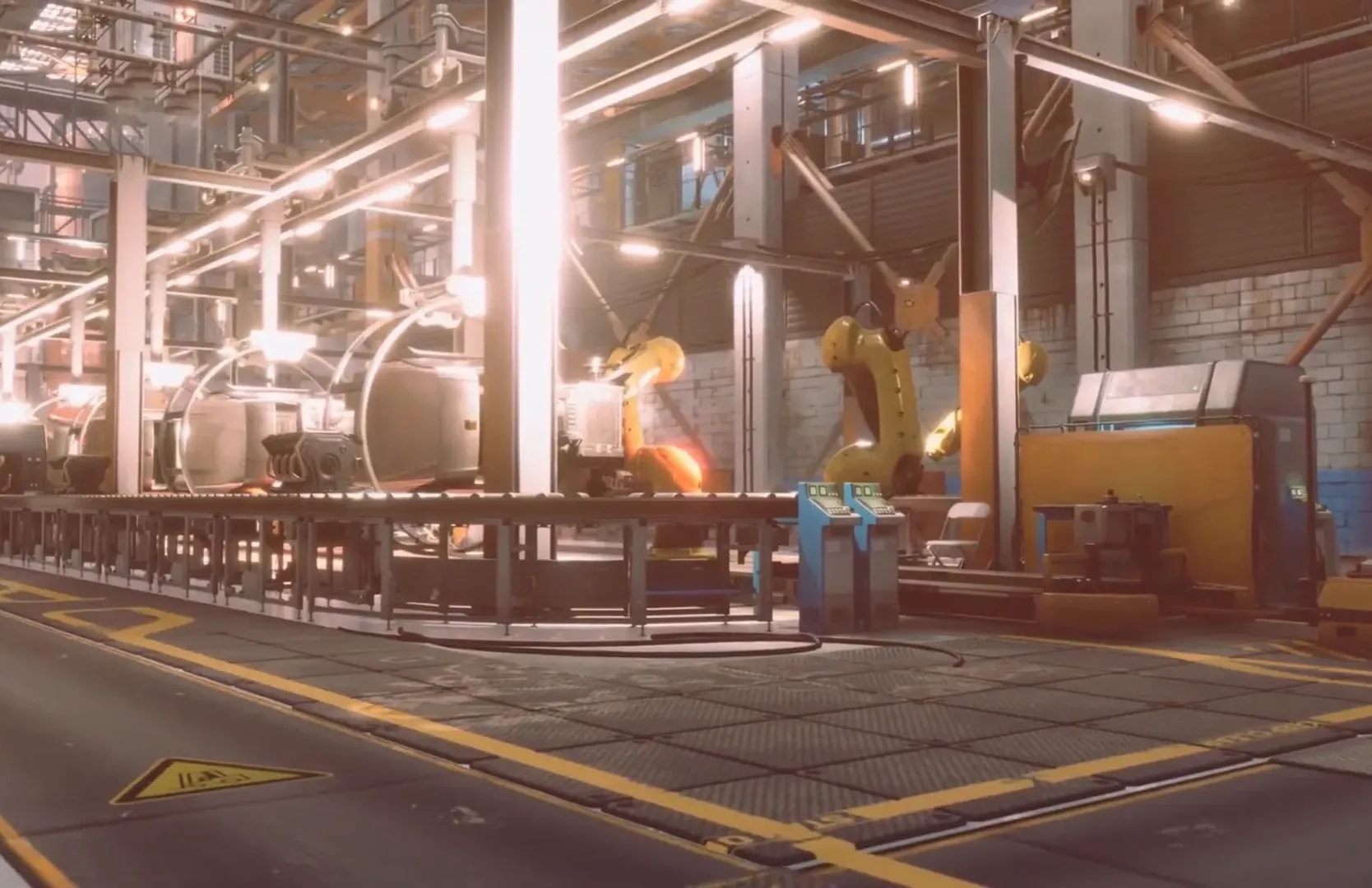
The new factories, often branded as “lighthouse factories,” utilize cutting-edge technology to maximize output while minimizing labor costs. This shift not only changes the nature of employment but also redefines the American identity in manufacturing. As companies continue to automate, the question remains: what does this mean for the average American worker?
Preparing for Change
To navigate this future, both workers and companies must adapt:
- Upskilling and Reskilling: Workers need to embrace continuous learning to stay relevant in an increasingly automated environment.
- Embracing Innovation: Companies must remain flexible, adapting to technological advancements while investing in their workforce.
- Policy Advocacy: There’s a need for policies that support both innovation and the American worker, ensuring that growth benefits all.
FAQ
What are tariffs, and how do they impact consumers?
Tariffs are taxes imposed on imported goods, designed to make foreign products more expensive and encourage domestic purchasing. While they can protect American jobs, they often lead to higher prices for consumers, as companies pass on the costs.
Are jobs really coming back to America?
While there is a narrative around job creation, many new factories are heavily automated, resulting in fewer jobs than traditional manufacturing would provide. The focus is shifting from labor-intensive production to technology-driven processes.
How can I invest in the changing manufacturing landscape?
Investors should look for companies that are embracing automation, building resilient supply chains, and adapting quickly to market changes. These firms are likely to outperform traditional manufacturers in the coming years.
What should consumers consider when making purchasing decisions?
Consumers should weigh the benefits of price against the implications of their choices. Supporting American-made products often comes with a premium, but understanding the broader impact of those decisions is crucial.